

Press Release
GET UP CLOSE AND PERSONAL WITH NEW ZEALAND’S UNIQUE WILDLIFE
Tips on what wildlife to see at different times of year and where to spot them
Penguins, dolphins, whales, albatross, kiwi and tuatara amongst wildlife seen on land and from New Zealand’s shores
Tips on what wildlife to see at different times of year and where to spot them
Penguins, dolphins, whales, albatross, kiwi and tuatara amongst wildlife seen on land and from New Zealand’s shores

For further information and images please contact Paul Charles / Sarah Rigler / Frankie Matthews at Perowne Charles Communications
+44 (0) 20 7792 8884
newzealand@verypcc.com
For those in search of an alternative wildlife experience and the chance to spot some of the most unusual species, New Zealand is the answer. The country is home to some of the world’s rarest indigenous creatures, each with its own unique characteristics.
New Zealand offers plenty of wildlife opportunities for visitors all year round – from the fjords of the South Island to the beaches of the North Island’s sunny East Coast.
Whether it’s spotting a family of wild orca in Marlborough Sounds or marching with little blue penguins in Oamaru on the South Island, New Zealand’s incredible experiences will bring visitors into contact with wildlife like never before.
PENGUINS
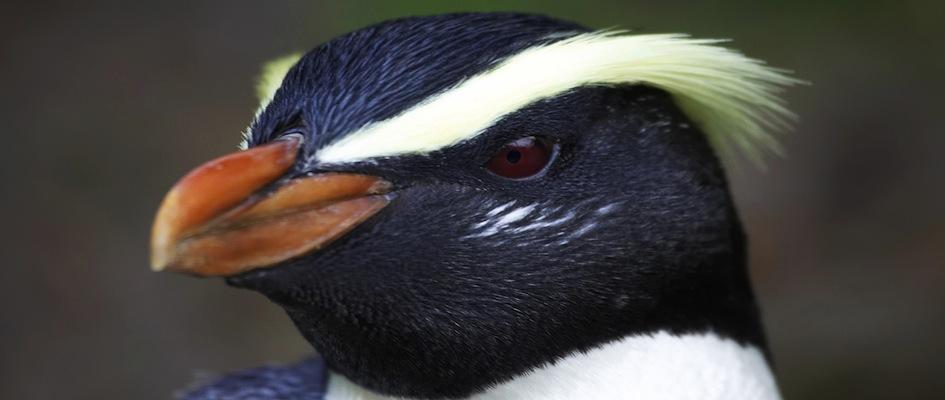
BEST PLACE TO SPOT THEM: There are many different kinds of these little birds – comical and clumsy on land, graceful and elegant in the water. Penguins in New Zealand can be found on the cooler fringes, including Akaroa, Stewart Island and Marlborough Sounds. The South Island’s west coast is home to one of the world’s rarest penguins – the Fiordland crested, known for its unique yellow eyebrow-stripe extending over the eyes and down the neck. One of the best penguin spots is in Oamaru on the South Island, where visitors can see the world’s smallest penguin, the blue penguin. For the chance to spot a yellow-eyed penguin, head to Stewart Island, the Auckland Islands, Campbell Island or Curio Bay in The Catlins. These rare gems are known for their yellow iris and distinctive yellow headband. If not seen, the yellow-eyed penguins are always heard as they yell out a shrill call when they encounter others in their colony. This is why the Maori nicknamed them ‘hoiho’, meaning ‘noise shouter.’
BEST TIME TO SPOT THEM: Penguins are very shy and are best spotted early morning or late afternoon. They gather in the largest numbers between September and February.
HOW TO SPOT THEM: Book a daytime or evening tour of the Oamaru Blue Penguin Colony with the official council-run operator. Adventure Walks offers guided tours departing from Queenstown to see the Fiordland crested penguins. Try The Catlins Discovery Tour for the chance to spot the yellow-eyed penguins as well as other New Zealand wildlife including seabirds, hooker sea lions and fur seals. www.penguins.co.nz / www.adventurewalks.co.nz / www.privatediscoverytours.co.nz
DOLPHINS
BEST PLACE TO SPOT THEM: From the tiny and distinctive Hector’s dolphin (a local national treasure), to the compact common dolphin and the sleek grey bottlenose, New Zealand’s coastlines are home to a wide range of dolphins. For a guaranteed way to spot at least one species, head to the Queen Charlotte, Kenepuru and Pelorus Sounds, at the top of the South Island.
BEST TIME TO SPOT THEM: All three dolphin species are found year round. In the warmer summer months, orca – the largest of the dolphin species – can often be found chasing stingrays around the bays.
HOW TO SPOT THEM: To swim with dolphins in the pristine, sheltered waters of the Marlborough Sounds, book with Nature Tours. Visitors can expect to spot bottlenose dolphins as well as dusky dolphins, Hector’s dolphins and common dolphins. The region is also famous for its sauvignon blanc vineyards, pristine beaches and the Queen Charlotte walking track. www.naturetours.co.nz
WHALES
BEST PLACE TO SPOT THEM: Whales are giants of the sea but with many qualities that seem to make them human, something recognised in Maori myth and legend. Kaikoura in the South Island is an iconic destination for those wanting to catch a glimpse of these incredible animals.
BEST TIME TO SPOT THEM: In Kaikoura, pods of sperm whales can be seen throughout the year. Between June and August, however, things get really interesting as other species of whale, such as the humpback, make their yearly migration from the Antarctic up to warmer climates. Kaikoura coast provides the perfect stopover for them.
HOW TO SPOT THEM: For a close-up encounter, Whale Watch Kaikoura runs daily trips off the coast of Kaikoura on specially-designed catamarans. Along the way, visitors can also enjoy the colonies of seals, rugged coastlines and breathtaking mountains. www.whalewatch.co.nz
ALBATROSS COLONY
BEST PLACE TO SPOT THEM: Sir David Attenborough described the Otago Peninsula as “a very special place” and it’s not hard to see why. These majestic seabirds can be seen at the world’s only mainland breeding albatross colony at Taiaroa Head in the South Island. With a wingspan of more than three metres soaring at speeds of up to 75 miles per hour, they are not to be missed!
BEST TIME TO SPOT THEM: Visit between September and November to see the breeding birds arriving at the headland and building their nests. Chicks hatch from late January to late February and, aided by a strong gust of wind, take their first flight in September.
HOW TO SPOT THEM: The Royal Albatross Centre at Taiaroa Head, offers free 60 and 90-minute tours. Elm Wildlife Tours offer an all-day tour that departs from Dunedin with the chance to see Hooker’s sea lions and blue penguins. www.albatross.org.nz / www.elmwildlifetours.co.nz
KIWI
BEST PLACE TO SPOT THEM: For such a well-known New Zealand icon, the kiwi can be surprisingly elusive. These shy, nocturnal birds are endangered and threatened by predators such as dogs, cats and stoats, so seeing them in the wild is a rare occurrence. Stewart Island, off the bottom of the South Island, is one of the best places to spot kiwi in their native habitat.
BEST TIME TO SPOT THEM: Kiwi only come to say hello at night. To increase the chance of spotting one, visitors are encouraged to head to a sanctuary.
HOW TO SPOT THEM: Some wildlife parks, such as Christchurch’s Willowbank, have created artificial night-time environments. Here, visitors can walk (silently) through an enclosure within metres of the birds. It is also possible to see them in captivity at Auckland Zoo, Rainbow Springs in Rotorua and Kiwi Birdlife Park in Queenstown. Alternativley, head to Kapiti Island for a nightime tour to catch a glimpse of the island’s 1,400 kiwi. Overnight accommodation is also available. www.kapitiislandnaturetours.co.nz / www.kiwispotting.co.nz / www.willowbank.co.nz
TUATARA
The Tuatara is a unique relic of the past and dates back to dinosaur days. They are the only beak-headed reptile left in the world and call New Zealand home. Every species of this reptile family except the tuatara died out around 65 million years ago, making it one of the rarest wildlife spots in the country.
BEST PLACE TO SPOT THEM: Tuatara can live for over 100 years and are only found in the wild on protected offshore islands. Head to Stephens Island in the Marlborough Sounds or the wildlife safe haven of Zealandia near Wellington to spot the greenish brown reptile.
BEST TIME TO SPOT THEM: Visitors can spot tuatara on sunny days, basking in the sun close to the shores. Otherwise, join a night tour to see the reptiles.
HOW TO SPOT THEM: Head to Zealandia, a unique eco-sancturary, with 20 miles of tracks, where tuatara flourish in the wild. Don’t miss the exhibition centre, where visitors can learn more about New Zealand’s world-renowned conservation movement. www.visitzealandia.com
New Zealand in Depth has recently launched a 28-night New Zealand Self-Drive Bird & Nature Tour created by New Zealand wildlife and travel experts. From £6,500 per person, the package includes transfers, accommoation in boutique hotels and luxury lodges, car hire, breakfast and some dinners, a Tour Director and wildlife activities and excursions.
FOR MORE INFORMATION VISIT:
For more information on New Zealand visit www.newzealand.com
For the latest media releases and news visit media.newzealand.com